Why Early Booking is a Good Idea?
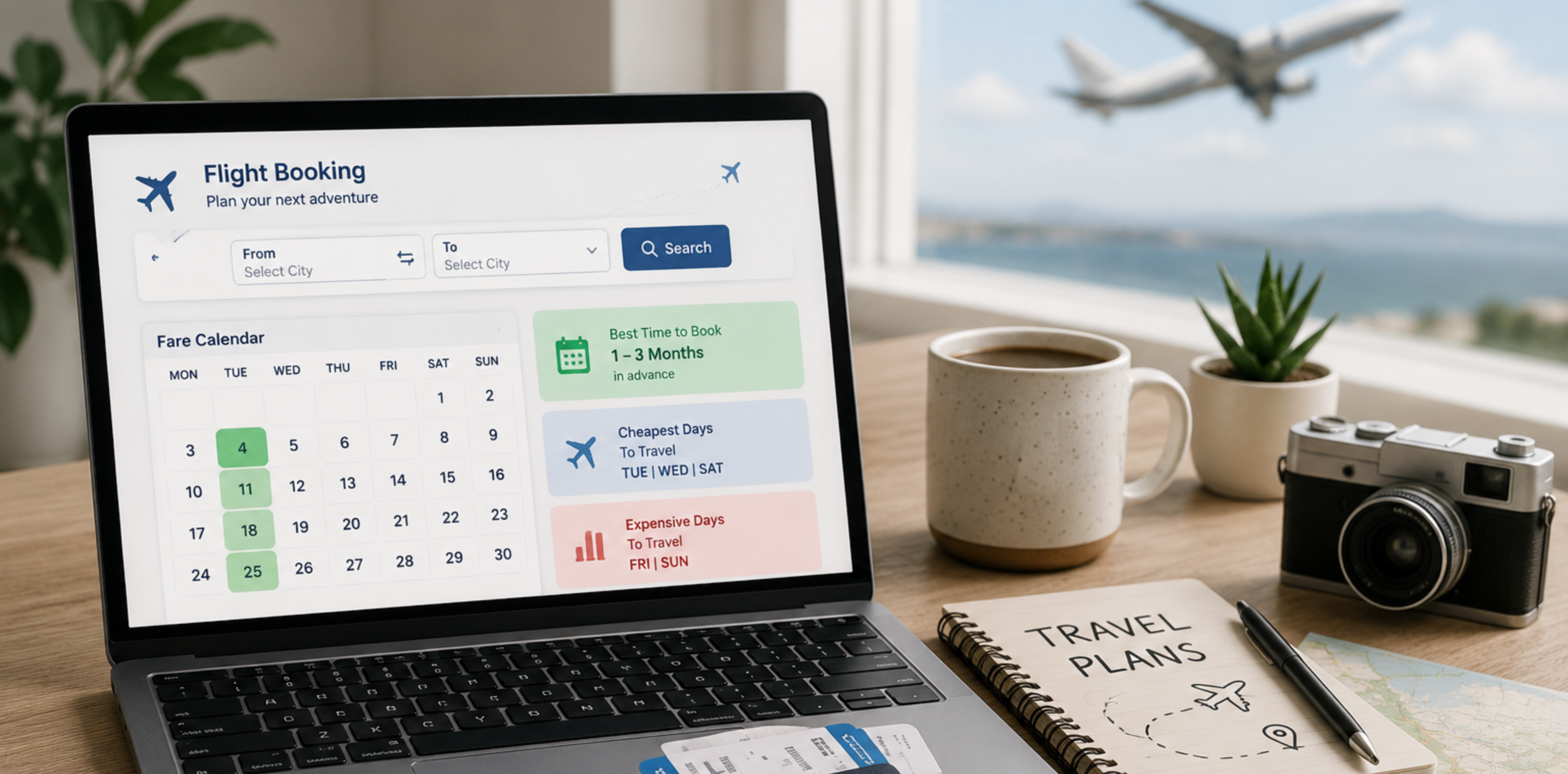
There are many reasons why early booking makes a great choice for most travellers. In fact, airlines always sell their tickets ahead of time and the price is relatively low during the first few months. Booking early is especially useful during:
- Holiday seasons
- School vacations
- Festival periods
- Peak summer travel
- International trips
Flights to popular destinations tend to fill up quickly, and prices increase as seats become limited. Early booking gives travellers more control over schedules, seat selection, and preferred airlines.
Another major advantage is flexibility in planning. When flights are secured in advance, travellers can compare accommodations, activities, and transport options without rushing.
Benefits of Early Booking
- A wider range of flights
- An increased number of airline choices
- Relatively low-stress experience
- Easier budgeting process
- Greater opportunities to find affordable flights and hotels
- Perfect for travelling in groups or families
Drawbacks of Early Booking
- Little flexibility when changes occur
- Possible charges for cancellations or rescheduling
- The price might go down after several months
- Requires prepayment several months in advance
When Last-Minute Booking Makes Sense
While early booking is often safer, last-minute travel has become increasingly popular among flexible travellers. Airlines and hotels sometimes reduce prices close to departure dates to fill unsold inventory.
This is where travellers can find attractive last-minute travel deals, particularly for domestic trips or off-season destinations.
People who benefit most from last-minute bookings usually :
- Have flexible schedules
- Can travel on weekdays
- Are open to multiple destinations
- Do not require fixed itineraries
Many solo travellers and younger professionals enjoy the spontaneity of making last minute plans because it allows them to travel more frequently without extensive preparation.
Advantages of Last-Minute Booking
- Availability of cheap air tickets
- Perfect for impromptu journeys
- Ideal for brief holiday getaways within your own country
- Better chance of getting low-priced last-minute deals
- Cheaper availability of unsold hotel accommodations
Disadvantages of Last-Minute Booking
- Fewer flight options available
- Higher costs during peak season
- No flights or hotel availability in some cases
- Inconvenient for group or family travels
- Irregular travel plans
Why Early Booking is a Good Idea?
While early booking is often safer, last-minute travel has become increasingly popular among flexible travellers. Airlines and hotels sometimes reduce prices close to departure dates to fill unsold inventory.
This is where travellers can find attractive last-minute travel deals, particularly for domestic trips or off-season destinations.
People who benefit most from last-minute bookings usually :
- Have flexible schedules
- Can travel on weekdays
- Are open to multiple destinations
- Do not require fixed itineraries
Many solo travellers and younger professionals enjoy the spontaneity of making last minute plans because it allows them to travel more frequently without extensive preparation.
Advantages of Last-Minute Booking
- Availability of cheap air tickets
- Perfect for impromptu journeys
- Ideal for brief holiday getaways within your own country
- Better chance of getting low-priced last-minute deals
- Cheaper availability of unsold hotel accommodations
Disadvantages of Last-Minute Booking
- Fewer flight options available
- Higher costs during peak season
- No flights or hotel availability in some cases
- Inconvenient for group or family travels
- Irregular travel plans
Which is Better - Booking Hotels Early or Last Minute?
Many people search for the answer to: is it better to book hotels early or late? One of the most debated topics among travellers is whether booking hotels early or at the last minute makes more sense.
This mainly depends on the season and destination. For a popular tourist destination, early booking is definitely a better choice because good hotels get booked very fast. The earlier you make your reservation, the more options there will be for rooms and favourable prices.
Sometimes you may get last minute hotel deals for unsold rooms, particularly during the off-season. There are last-minute deals available mostly for business hotels, cities, and weekend properties.
Some travellers prefer to combine early bookings with their flights and late bookings for hotels.
When Is It Best to Plan Last-Minute Holidays?
The best time to book last minute holidays include :
- Within 1-3 weeks prior to domestic travel
- Within 2-6 weeks before international flights
- During week days for cheaper flight tickets
- During the off season
But beware; waiting too long at certain times of the year may have its repercussions. For instance, common routes are costly around the departure date since airlines understand that demand will still be high.
If you have set travel dates, waiting for discounts might prove hazardous. But if you are flexible, last-minute planning will help you save a lot.
Which One Saves Money? Early Booking or Last-Minute Planning?
There is no universal winner between early booking and last-minute travel. Both strategies work in different situations.
Early Booking Is Better For :
- International vacations
- Family holidays
- Honeymoons
- Festival travel
- Business trips
- Peak season destinations
Last-Minute Booking Is Better For :
- Weekend getaways
- Flexible solo travel
- Off-season trips
- Nearby domestic destinations
- Spontaneous travel plans
The smartest travellers often combine both approaches depending on the purpose of the trip.
How Airbedder Helps Travellers Save Smarter?
How AirBedder Assists Travellers in Making Wise Trip Plans
Airbedder allows travellers to plan their trips more easily by allowing them to compare various accommodations according to their budget, flexibility, and travelling time. Whether you are planning trips months in advance or searching for hotels for last-minute travel, Airbedder makes it easier to find accommodations suitable for all kinds of travel.
It becomes easy for travellers who are booking flights and hotels to find the best deals on flights and hotels in one platform through Airbedder.
Conclusion
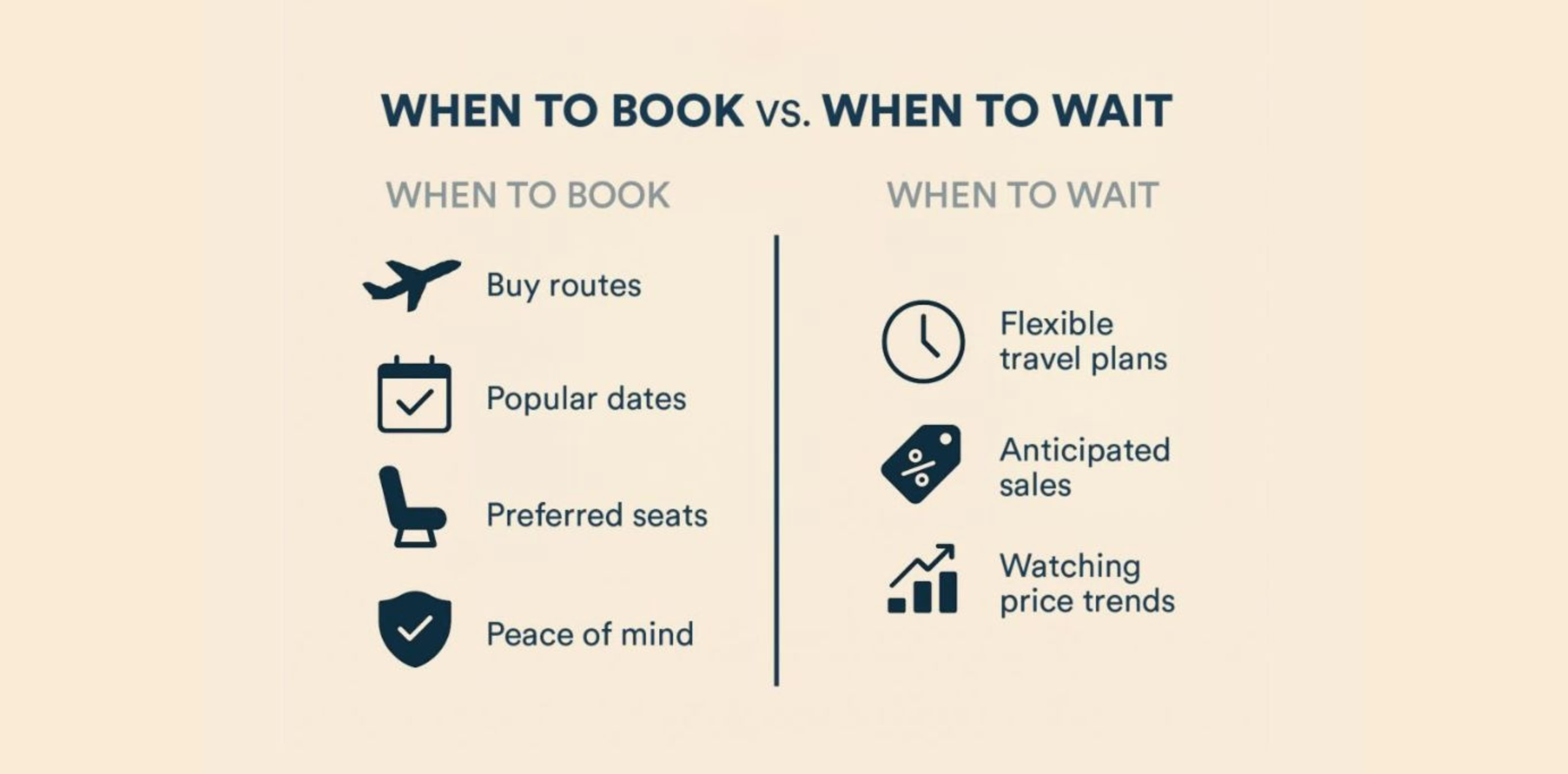
The debate between early booking and last-minute travel ultimately comes down to travel style, flexibility, and risk tolerance. Early booking provides stability, better options, and peace of mind, while last-minute bookings can unlock exciting savings and spontaneous experiences.
Travellers who understand when each strategy works best are more likely to save money and enjoy smoother trips. Whether you prefer carefully planned vacations or spontaneous adventures, balancing timing, flexibility, and budget is the key to smarter travel in 2026.