What is a Non-Stop Flight?
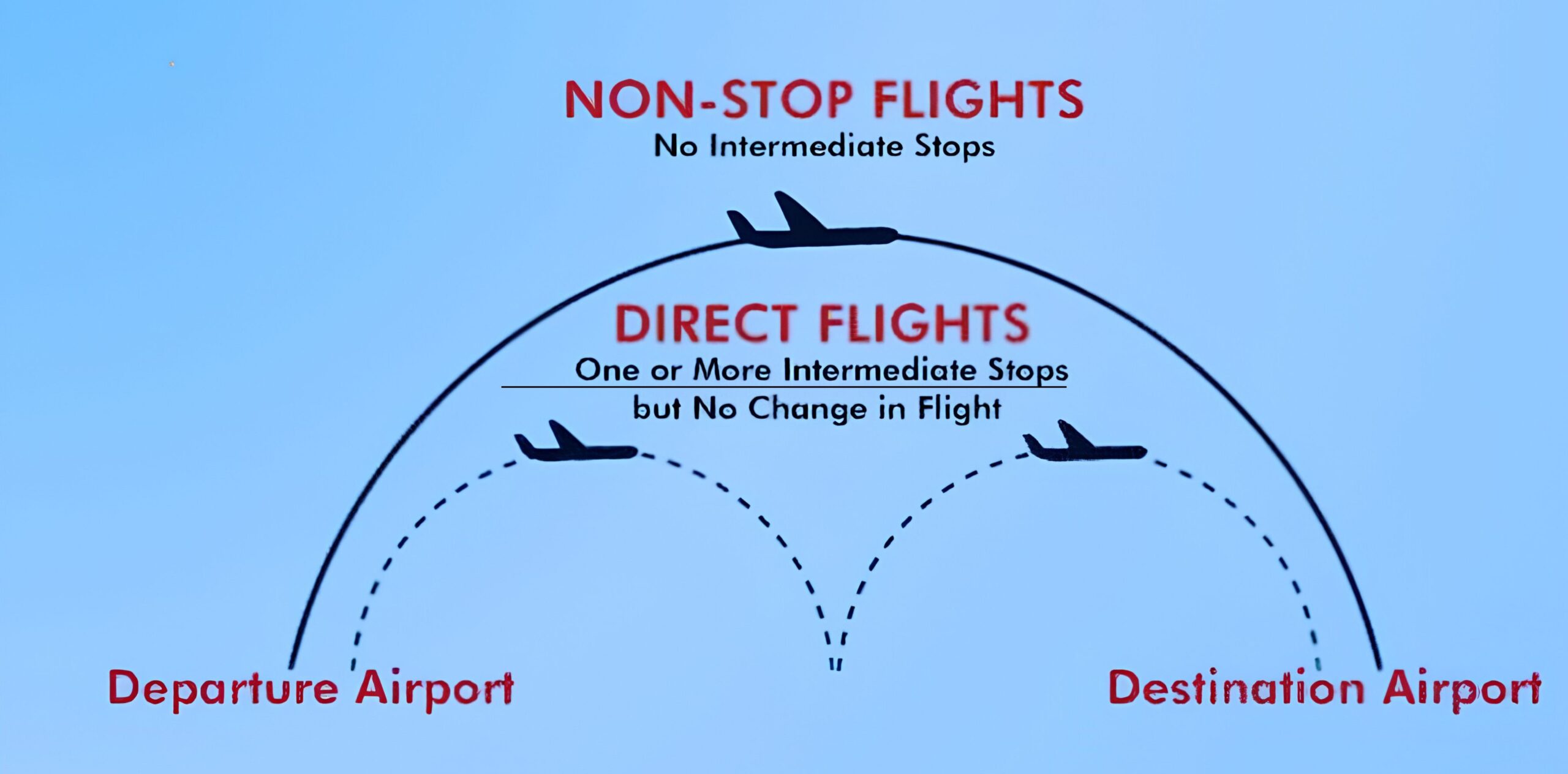
Many people search for what is a non stop flight? Non-stop flight refers to a mode of flight that goes non-stop from the departing airport to the destination airport. In essence, no connection or stops occur during the flight.
In understanding what a non-stop flight is, you will get an idea that it is the quickest route available. Here you board one flight from point A to point B.
Characteristics of Non-Stop Flights :
- No connection flights or stops
- Quickest travel
- Costly in price
- Perfect for business passengers
What Is a Direct Flight?
A layover flight involves stopping at an intermediate airport and changing planes before reaching your final destination.
The layover flight meaning is simple: it’s a connecting journey where your travel is split into two or more flights.
Key Features :
- Requires changing aircraft
- Includes waiting time at the airport (layover duration)
- Often cheaper than non-stop flights
- Offers more route flexibility
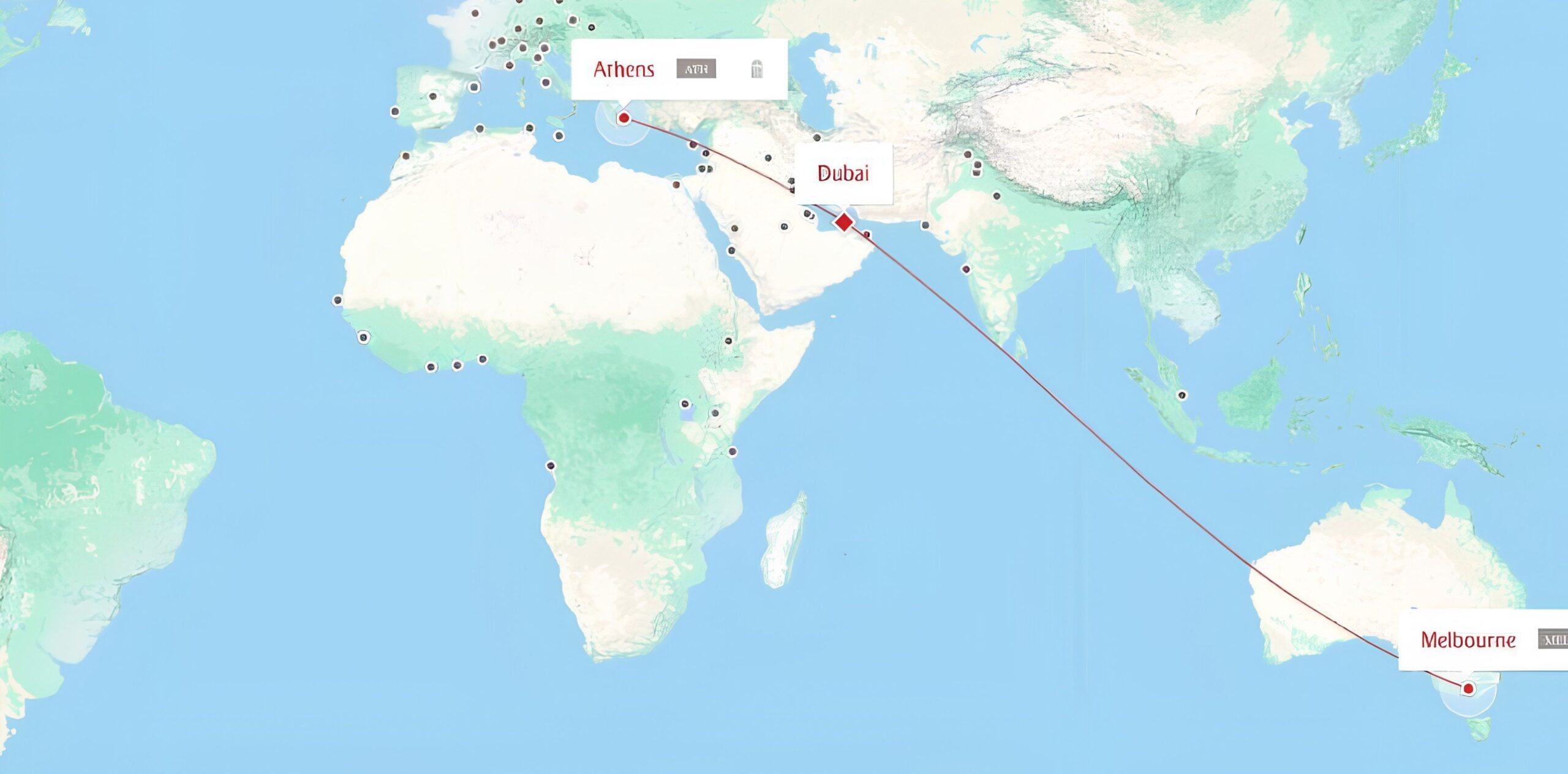
For example, a journey from Delhi to New York via Dubai would involve a layover in Dubai.
What Is a Layover Flight?
First off, the definition of a direct flight can be confusing for many travellers.
Direct flight maintains its flight number regardless of whether there are any stops during the journey from the departure location to the destination. The major distinguishing factor, however, is that the passenger does not switch planes.
Therefore, when trying to understand what a direct flight is, know that it involves one or multiple stops, but the plane will eventually reach the destination under the same reservation.
Characteristics of a Direct Flight :
- Includes one or more stops
- Has the same flight number throughout
- The traveller may remain on board or disembark briefly
- Is slightly longer than a non-stop flight
Here lies the main source of confusion between direct and non-stop flights since their definitions seem to overlap significantly.
Direct vs Nonstop Flights : Key Differences
Understanding the difference between direct and non stop flight is essential for choosing the right option.
1. Stops
- Non-stop : No stops
- Direct : May stop but no plane change
- Layover : Stops with plane change
2. Travel Time
- Non-stop : Fastest
- Direct : Slightly longer
- Layover : Longest
3. Cost
- Non-stop : Usually most expensive
- Direct : Moderately priced
- Layover : Often cheapest
4. Convenience
- Non-stop : Most convenient
- Direct : Moderately convenient
- Layover : Requires more planning
This clearly highlights the difference between nonstop and direct flights—non-stop flights prioritize speed, while direct flights may involve stops but offer a simpler journey compared to layovers.
Non-Stop vs Direct: Which One Is Better?
Whether you should opt for non-stop vs direct flights would depend on your preferences :
Select Non-Stop Flights When :
- Time is an important consideration
- You are on a business trip
- You want the most convenient option
Select Direct Flights When :
- You can tolerate a stopover
- You seek a compromise between price and convenience
Select Layover Flights When :
- You need to cut costs
- You are not very punctual
- You are willing to change planes
- Layover flights are common in international flights, but non-stop flights
Pros and Cons at a Glance
Non-Stop Flights
- Pros : Fast, convenient, less tiring
- Cons : Expensive, limited availability
Direct Flights
- Pros : No need to change planes, fewer hassles than layovers
- Cons : Can still take longer due to stops
Layover Flights
- Pros : Budget-friendly, more route options
- Cons : Longer travel time, risk of missed connections
What Sets Airbedder Apart?
When navigating choices like direct vs nonstop flights or deciding whether a layover flight makes sense for your trip, having the right booking platform makes all the difference. This is where Airbedder stands out.
Airbedder simplifies the entire decision-making process by clearly categorizing flights based on travel type—non-stop, direct, and layover—so you don’t have to decode confusing airline terminology. Instead of just showing prices, the platform focuses on travel experience, helping you compare total journey time, stopovers, and convenience in one place.
What truly sets Airbedder apart is its user-first approach. Whether you’re looking for the fastest route, the most affordable option, or a balanced choice, it allows you to filter and choose flights aligned with your priorities. This means no hidden surprises—just transparent, easy-to-understand booking that helps you make smarter travel decisions
Final Thoughts
Understanding the difference between direct and non stop flight options can significantly impact your travel experience. While non-stop flights offer unmatched speed and convenience, direct flights provide a middle ground, and layover flights can help you save money.
So the next time you’re booking tickets and wondering about direct flight meaning or layover flight meaning, you’ll know exactly what to expect—and how to choose the option that fits your journey best.